Fitting Room Theft: Practical Security Coverage Without Hurting Sales

Why is fitting room theft a persistent risk for retail stores?
Changing areas remain one of the trickiest spaces to secure in a retail environment. Their very purpose demands privacy, but that same privacy creates opportunities for shoplifting methods that bypass traditional store surveillance. As retail stores seek to protect stock without alienating customers, fitting rooms remain a important challenge requiring a measured approach.

Why fitting rooms attract shoplifters
Fitting rooms present a well-known blind spot in conventional store security. The following vulnerabilities are typically exploited:
1. Concealment opportunities Items can be hidden under clothing, in bags, or even within specially modified garments inside enclosed fitting spaces.
2. Tag removal out of sight Without direct observation, individuals may remove or damage security tags using pocket tools or simple tampering techniques.
3. CCTV restrictions Privacy laws and customer expectations rightly prevent CCTV monitoring inside fitting rooms. This means visual deterrents are limited by design.
4. Staff distraction during peak hours Busy stores can unintentionally reduce vigilance over changing areas, particularly when sales teams are stretched.
5. High turnover of items and footfall In popular locations or during sales periods, the volume of customers and merchandise moving through fitting rooms increases both the temptation and the cover for illicit behaviour.
Fitting rooms do not constitute a failure of design; they are a necessary feature of apparel retail. However, their use invites a specific set of risks, especially in high-footfall flagship locations.
Can too much security in changing areas reduce sales?
Yes. While retail loss prevention is important, overly assertive or conspicuous security tactics can have unintended commercial consequences. Customers expect a sense of privacy and autonomy when trying on clothes. If the atmosphere signals mistrust or suspicion, sales conversions can suffer.
Where security becomes a barrier
Overt surveillance Positioning visible cameras or monitors near changing rooms can raise concerns about intrusion, even if those devices are outside private spaces.
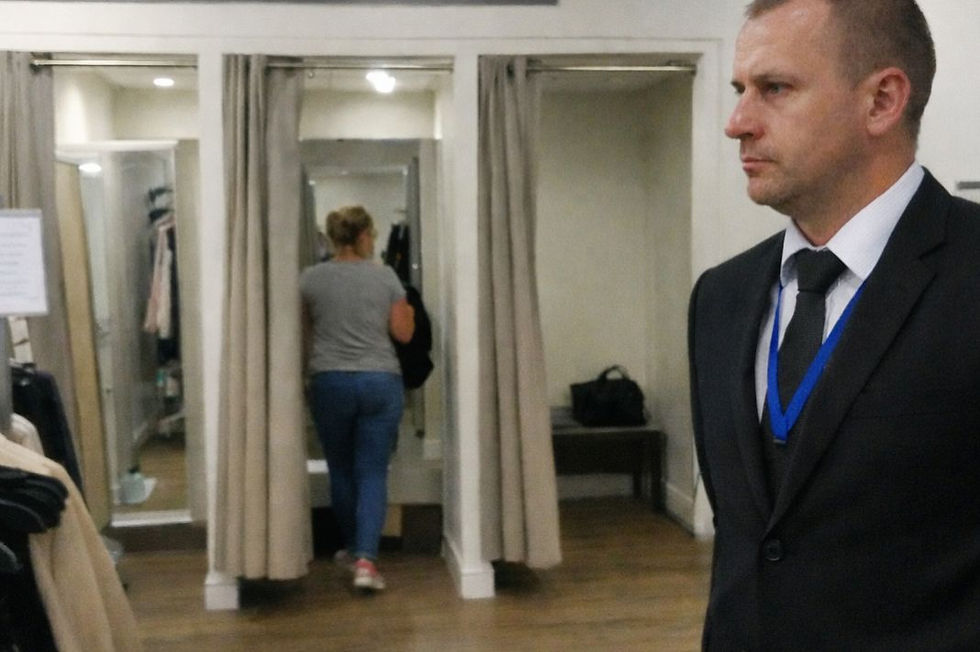
Heavy guard presence Security officers stationed directly at fitting room entrances, especially without customer service training, may appear confrontational or unwelcoming.
Confusing processes Excessive access control, such as sign-ins or prolonged wait times for fitting room access, can frustrate customers and reduce their willingness to shop.
In essence, security strategies that are too forceful can erode shopper trust. Retail psychology studies consistently highlight that comfort, personal space and perceived freedom contribute to purchase intent. Striking the right balance between prevention and experience is important.

5 Practical Security Measures That Work Without Alienating Shoppers
Finding effective security solutions that protect stock while preserving customer satisfaction is achievable with the right tactics. These five measures offer both deterrence and discretion.
1. Controlled access with light-touch monitoring Introduce a system where fitting rooms are unlocked or assigned by a member of staff, allowing for a natural opportunity to check garment counts and maintain flow. This can be paired with a customer-friendly welcome to set a positive tone without direct confrontation.
2. Layouts that support passive surveillance Store design can influence behaviour. Position fitting rooms in sightlines where staff or security officers can observe who enters and exits without needing to intrude. This deters opportunistic theft without needing overt presence inside private zones.
3. Professional, customer-facing security officers Trained guards who understand customer engagement can deter misconduct while contributing positively to store atmosphere. Their placement near fitting areas should feel intentional but non-obstructive. Communication skills and appearance matter as much as deterrent value.
4. Limits on item quantities per fitting Restricting the number of garments allowed into changing rooms is a common retail standard. Implementing this with clear signage and consistent staff messaging signals awareness and care for both merchandise and customer flow.
5. Behavioural awareness training for store teams Security is strengthened when retail staff can identify cues that something may be off. Training that focuses on observation, posture, eye movement, and behavioural patterns equips teams to alert security operatives without intervening directly.
These techniques reinforce each other and contribute to a system that supports real deterrence while maintaining an open, shop-friendly environment.

What role do security officers play in preventing changing room theft?
Security officers, when correctly deployed, serve a dual function: reducing the risk of theft and promoting a sense of safety. In high-traffic locations, they become an integral part of the retail floor active. Their role extends beyond presence alone.
Key focus areas for security personnel in retail settings
Incidental deterrence through presence Positioned strategically near fitting room corridors or within visible parts of the sales floor, officers communicate quietly that the space is monitored without overshadowing the shopping experience.
Customer interaction as standard Well-trained officers should be approachable. A simple greeting or polite presence near changing zones encourages legitimate behaviour and discourages concealment attempts.
Discretion and positioning Rather than standing guard at the entrance, roaming patrols or stationed positions adjacent to store activity zones allow for oversight without intimidation.
Integration with store staff Security officers function best when integrated into daily store operations. Communications about fitting room usage, suspicious behaviour or footfall patterns should flow both ways.
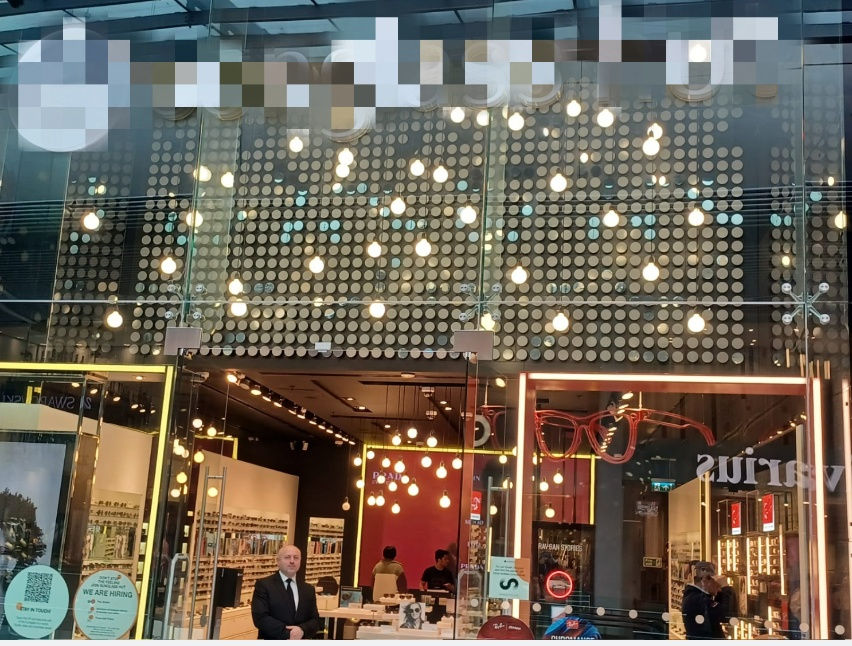
Fahrenheit Security places emphasis on professionally presented retail security operatives with keen situational awareness. Officers deployed in flagship locations are briefed to uphold discretion while remaining alert, and a balance that encourages both loss prevention and customer assurance.
Can technology help reduce theft without invading privacy?
Technology adds value when used to support security officers, not replace them. In situations involving personal areas such as fitting rooms, thoughtful use of tech can provide useful signals without crossing boundaries on privacy.
Tools that complement human oversight
Occupancy sensors Simple light or motion sensors can indicate whether a room is in use. This avoids congestion and allows staff to manage timing and access logically, especially during peak hours.
Fitting room counters Digitally tracking the number of garments taken in and out of fitting areas provides additional layers of control. When integrated with staff process, it helps ensure accountability.
EAS tagging systems Electronic Article Surveillance works well at store exits, but when paired with discretion and visual verification upstream, it can further reduce loss without needing to monitor changing rooms directly.
Integrated response alerts Some systems can trigger alerts when fitting room usage exceeds expected durations or when tags are tampered with. These alerts can prompt a subtle check-in from store staff or roaming security officers.
Such technologies should be implemented carefully to avoid over-surveillance. Their value lies in supporting human monitoring, not replacing it.

How can store teams support fitting room theft prevention through training?
Security awareness at ground level contributes significantly to overall risk reduction. Store teams occupy the front line of customer interaction and can make discreet contributions to loss prevention with the right preparation.
Key elements of retail security awareness training
Knowledge behavioural cues Staff should be trained to recognise patterns such as repeated changes in garments, moving around stock without browsing, avoiding assistance, or loitering near changing areas.
Neutral engagement techniques Simple customer service gestures, such as offering size assistance or checking garment counts at entry, can deter theft without profiling or assumption.
Coordinating with security officers Clear internal protocols for reporting observations allow store teams to silently flag issues without confrontation. Officers then assess and, if appropriate, respond.
De-escalation protocols If a confrontation is necessary, store staff should defer to trained security personnel. However, knowing how to keep tone calm and avoid aggravation is valuable.
Manager-led reinforcement Managers should model engagement, recognise proactive behaviour, and support continuous knowledge sharing across the team.
Training delivered regularly helps normalise active awareness without promoting suspicion. The goal is to increase deterrence through confident, professional presence rather than reactive intervention.
What does successful fitting room security look like in practice?
Effective retail security strategies should succeed on more than one front. Reducing theft through fitting room misuse is key, but not at the cost of undermining customer experience or diminishing footfall. Success has measurable indicators on both sides.
Metrics to track
Loss metrics:
Reduction in shrinkage rates
Frequency of suspicious incidents near changing areas
Recovery data from theft attempts
Experience metrics:
Customer feedback on fitting area comfort and accessibility
Staff sentiment on incident handling and protocol clarity
Queuing and congestion patterns during weekend peaks
A retail store that achieves strong security without compromising atmosphere will see consistency across these indicators. Neither dimension should be prioritised at the complete expense of the other.
Ultimately, fitting room loss prevention works best when layered. A combination of professional security officers, trained staff, intelligent layout, and discreet technology fosters an environment where theft feels too risky and shopping remains welcoming. Thoughtful strategy outperforms heavy-handed response every time.


Comments