Can a Security Guard Keep Me Safe At Work?

Can a Security Guard Really Keep You Safe at Work?
Yes, a security guard can genuinely help keep you safe at work by offering both a visible deterrent to crime and a trained response to incidents. Their effectiveness depends on your workplace setup, the types of threats you face, and how well their role fits within your overall safety plan.
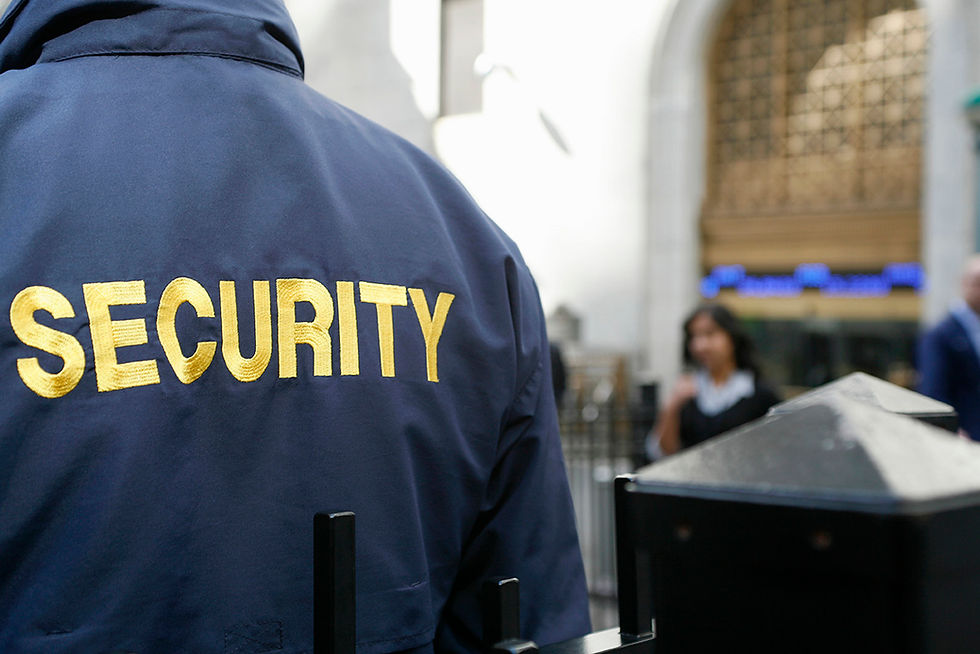
Why You Need to Know How Security Guards Keep You Safe at Work
As workplace safety concerns increase, it becomes more important to understand the role of security guards. Their presence offers peace of mind and provides practical protection. From preventing incidents to managing emergencies, security guards often act as the first line of defence.
Today’s workplaces face growing risks, including violence, theft, and unauthorised access. Professional security services are now essential. Security guards create both a psychological and physical barrier against threats. This article explains what they do, the limitations of their role, and how to select a provider suited to your specific needs.
What Security Guards Actually Do to Protect Your Workplace
Security guards do more than simply stand at entrances. They carry out proactive and reactive tasks that contribute to a safer environment.
Visible Deterrence
Having a uniformed guard on-site discourages many would-be offenders. It sends a clear message that the premises are actively monitored and protected.
Patrols and Surveillance
Guards conduct regular patrols and watch over closed-circuit television (CCTV) systems. These activities help identify unusual behaviour early, making it possible to intervene before problems escalate.
Emergency Response
When emergencies such as fires or medical issues arise, guards follow agreed protocols like evacuations or first aid. Their training in incident response ensures swift and appropriate action until emergency services arrive. Whether they are handling alarms or defusing tense situations, trained guards are key to both prevention and resolution.
What Security Guards Cannot Do, The Limitations You Need to Understand
Security guards offer significant support, but their role has legal and practical boundaries.
Legal Restrictions
Guards are not police officers. They cannot arrest people beyond a citizen’s arrest and may only use physical force when necessary and legally permitted. All actions must comply with laws and employer policies.
Response Times and Capacity
On large or multi-level sites, it can take time for guards to respond to incidents. They cannot be in several places at once. Complementary systems like surveillance and alarms help cover wider areas.
Scope of Responsibility
Security guards focus on clearly defined duties. They are not expected to resolve internal disputes or address cybersecurity threats. Clearly outlining their responsibilities in contracts prevents confusion and ensures effectiveness. Recognising these limitations allows guards to be used in the most impactful way.

How to Choose a Reliable Security Guard Service
Choosing the right provider is essential to workplace safety. The best security services are well-trained, compliant, and adaptable.
Check Licences and Certifications
Look for a company that uses guards that have current SIA licences in their relevant fields and undergo background checks.
Consider Reputation and Experience
Investigate the provider’s history. Seek testimonials, check reviews, and ask about experience in your industry or site type.
Prioritise Customisability
Your workplace has specific risks. The provider should be able to adapt services to your location, whether you operate a retail outlet, office, or industrial site. A thorough security audit or risk assessment can help tailor these services to identified vulnerabilities. Choosing a reputable provider gives you confidence, regulatory compliance, and a consistent level of service.
When Should You Add More Than Just a Security Guard?
Certain situations demand more than a single security presence. A layered approach often improves safety outcomes.
High-Risk Environments
Sites with high-value assets, sensitive data, or heavy traffic often face greater risks. Industrial zones, construction sites, and public venues may benefit from enhanced measures.
Combining Guards with Technology
Pairing guards with alarms, CCTV systems, and controlled access improves overall coverage. These tools support human vigilance and enable quicker response times. This kind of integrated security strategy strengthens your workplace’s resilience.
Situational Awareness and Threat Level
Risk assessments should be ongoing. If new threats arise, such as increased local crime or business expansion, adjust your security strategy accordingly. This aligns with the employer's duty of care and legal obligations under UK workplace safety law. Combining manned guarding with modern systems provides more comprehensive protection.

Your Essential Guide to Vetting Security Guard Services
Take time to assess potential providers before agreeing to a contract.
1. Ask the Right Questions
Inquire about staff training, the company's operational history, and whether they offer 24/7 services.
2. Review Certifications and Insurance
Verify that guards are properly qualified and that the provider holds liability insurance to protect both parties.
3. Assess Communication and Transparency
Choose providers who clearly explain their capabilities, pricing, and any limitations. Avoid those who withhold details.
4. Watch for Red Flags
Be cautious if contracts are vague, the company refuses to provide references, or online reviews are consistently negative.
A methodical approach ensures you select a reliable and well-regulated service.
Key Questions to Ask Before Hiring a Security Guard Service
Use this checklist to help evaluate whether a company meets your needs:
What training do your guards receive? They should be prepared for emergencies, legal duties, and workplace challenges.
What is your incident response procedure? Look for a structured plan outlining how they report, escalate, and manage incidents.
Are guards licensed? Request documentation to verify this.
Do you offer custom services? The answer should show flexibility based on your business type and risk profile.
Can we track services in real time? Tools such as mobile patrol apps and digital reporting improve transparency.
These questions support a well-informed decision and help ensure dependable coverage.
Final Thoughts: Can a Security Guard Really Keep You Safe at Work?
Security guards play a vital role in maintaining workplace safety. They deter crime, offer quick responses in emergencies, and give staff peace of mind. However, they work best when they are part of a broader security strategy.
Choose a licensed and transparent provider. Consider supporting guards with technology and updated safety protocols. Where appropriate, carry out security audits and site-specific risk assessments to meet compliance requirements under the Health and Safety at Work Act.
This approach builds a safer and more prepared working environment for everyone involved.


Comments